
English
Views: 0 Author: Site Editor Publish Time: 2025-12-08 Origin: Site


In industries where environmental control directly affects productivity, product quality, and operational longevity, managing humidity is essential—not optional. Whether you're dealing with moisture-sensitive materials, preserving stored goods, or maintaining the integrity of building infrastructure, excess humidity can cause significant damage and expense.
Among the various solutions available, mobile dehumidifiers have emerged as one of the most versatile and cost-effective options.
A mobile dehumidifier is a portable, self-contained humidity control device designed to remove moisture from the air in specific areas as needed. Unlike fixed, centralized HVAC systems or wall-mounted units, mobile dehumidifiers are easily moved and deployed, allowing for flexible, targeted humidity management in changing environments.
These units typically include:
Built-in casters or wheels for mobility
An integrated humidistat for automatic humidity control
A condensate tank and/or continuous drainage system
A standalone operation mode that doesn't require HVAC integration
In essence, mobile dehumidifiers are a subcategory of standalone dehumidifiers, optimized for ease of transport and temporary deployment.
Before diving into the cost-saving benefits, it’s important to understand why moisture control is so critical. High humidity levels can:
Damage building materials, equipment, and electronics
Promote mold and mildew growth
Cause corrosion in metals
Deteriorate packaging and stored goods
Disrupt manufacturing or curing processes
Lower air quality and occupant comfort
The direct and indirect costs of these issues—whether through repairs, spoiled inventory, or reduced productivity—can accumulate quickly.
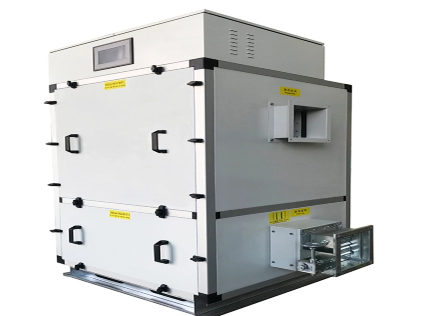
Mobile dehumidifiers aren't just convenient—they’re strategic assets when it comes to reducing operational costs, maintaining consistent product quality, and extending equipment lifespan. Here's a deeper look at how these portable systems deliver measurable financial and operational value:
One of the most compelling advantages of mobile dehumidifiers is their capacity to deliver humidity control with surgical precision. Rather than dehumidifying an entire building indiscriminately—often resulting in energy overuse—these units allow facility managers to focus only on high-risk or high-load zones.
For instance, in a logistics warehouse, certain areas such as those storing paper goods, textiles, or electronics are far more vulnerable to moisture than others. By deploying mobile dehumidifiers specifically in these zones, businesses avoid wasting energy in less critical areas, leading to substantial energy savings over time.
Additionally, by relieving central HVAC systems of the burden of dehumidification, mobile units reduce long-term wear and tear, translating into fewer repairs and lower electricity bills.
Unplanned humidity spikes—caused by pipe leaks, floods, or equipment malfunctions—can bring operations to a grinding halt. Every minute of downtime in manufacturing or warehousing environments can lead to:
Damaged raw materials or finished goods
Safety risks from mold or condensation
Disrupted production cycles
Mobile dehumidifiers offer on-demand, emergency-ready functionality. They can be rapidly transported to affected areas without the need for installation or reconfiguration. For critical environments like server rooms, clean rooms, or pharmaceutical storage, this mobility can be the difference between rapid recovery and a catastrophic loss of assets or compliance.
Moreover, some industrial-grade mobile units come with high moisture extraction rates—capable of removing dozens or even hundreds of liters of water per day—helping to accelerate drying and mitigate secondary damage.
Mobile dehumidifiers, as self-contained systems, don’t rely on complex infrastructure such as duct networks, ceiling mounts, or integrated controls. Their plug-and-play design significantly reduces installation and configuration costs. This simplicity also means fewer breakdown points, translating to:
Reduced need for specialized technicians
Minimal operational disruption during servicing
Lower long-term ownership costs compared to fixed systems
Furthermore, as standalone dehumidifiers, they can function independently of building systems. This redundancy is especially valuable in older facilities where upgrading the HVAC infrastructure would be prohibitively expensive or logistically impossible.
Humidity is not a constant—it fluctuates with seasonal changes, weather events, and even production cycles. Industries like agriculture, construction, and warehousing often experience temporary or cyclical humidity challenges.
Mobile dehumidifiers provide a scalable and adaptive solution:
During the rainy season, they can prevent mold and spoilage in temporary storage facilities.
On construction sites, they help speed up drying times for drywall, paint, or concrete, keeping projects on schedule.
In agriculture, they ensure optimal conditions during harvest processing or storage without the need for permanent installations.
When not in use, these units can be stored efficiently, avoiding unnecessary energy consumption and maintenance during off-seasons.
The link between moisture and product degradation is well-documented. In sectors such as:
Pharmaceuticals: Excess humidity compromises chemical stability
Electronics: Condensation causes short-circuiting and corrosion
Food & Beverage: Mold growth, packaging failure, and spoilage
Textiles & Paper: Warping, brittleness, and mildew
By deploying mobile dehumidifiers at critical control points—like shipping containers, temporary storage, or production lines—companies can preserve product integrity and extend shelf life.
Reducing product losses not only cuts costs but also enhances brand reliability. Fewer quality complaints, lower return rates, and stronger customer satisfaction all contribute to long-term financial gains that far outweigh the initial investment in mobile units.
Mobile dehumidifiers are already proving their value across multiple industries:
Warehousing & Logistics: Prevent condensation and mold in stored goods.
Construction Sites: Speed up drying times and maintain required humidity levels during finishing work.
Healthcare & Labs: Maintain stable humidity in sterile or sensitive environments.
Archives & Museums: Preserve documents, artworks, and historical materials.
Manufacturing: Control production environments for humidity-sensitive processes (e.g., electronics, food, or chemicals).
To maximize ROI, it’s important to choose a unit that meets your operational needs. Key features to consider:
Dehumidification Capacity: Measured in liters or pints per day, ensure the unit matches your space and moisture load.
Portability: Look for robust wheels, handles, and compact designs if mobility is essential.
Drainage Options: Units with continuous drainage or integrated pumps reduce maintenance.
Hygrostat & Controls: Smart sensors and programmable settings improve efficiency.
Energy Efficiency: Look for models with Energy Star certification or similar ratings.
Durability: Especially important for rugged environments like construction sites or industrial warehouses.
Humidity control isn’t just a comfort issue—it’s a critical aspect of operational efficiency, product quality, and facility management. Mobile dehumidifiers, as a flexible and cost-effective subset of standalone dehumidifiers, empower businesses to tackle moisture challenges with precision, agility, and minimal overhead.
By investing in mobile dehumidification, you’re not just cutting costs—you’re protecting assets, ensuring compliance, and future-proofing your operation against moisture-related risks.
For those interested in learning more about high-performance mobile dehumidifiers tailored to industrial, commercial, or specialized applications, Hangzhou Peritech Dehumidifying Equipment Co., Ltd. offers a range of reliable, energy-efficient solutions. To explore their product offerings and find the right dehumidifier for your specific needs, consider reaching out to their knowledgeable team or visiting their website for more details.


