
English
Views: 0 Author: Site Editor Publish Time: 2025-06-10 Origin: Site


In today’s competitive industrial landscape, controlling operational costs while maintaining high product quality and efficient production processes is essential. One often overlooked but critical factor influencing both productivity and expenses is humidity control. Excess moisture in industrial environments can cause corrosion, product spoilage, machinery downtime, and increased maintenance costs.
Desiccant dehumidifiers use a hygroscopic material—known as a desiccant—to absorb moisture from the air. Unlike traditional refrigerant dehumidifiers that cool air to condense moisture, desiccant models rely on adsorption, drawing water vapor onto the surface of the desiccant material. This technology excels particularly in low-temperature and low-humidity environments where refrigerant systems often struggle.
The desiccant is periodically regenerated by applying heat, which drives the moisture out and prepares it for continued use. This cycle allows for continuous, efficient removal of humidity regardless of ambient temperature or humidity levels.
Many industries—including pharmaceuticals, electronics manufacturing, food processing, chemical production, and cold storage—face significant operational challenges caused by excessive humidity levels. These challenges extend far beyond simple discomfort, directly impacting product quality, equipment reliability, energy consumption, and worker safety.
Corrosion and Rust: Moisture creates an ideal environment for corrosion to develop on metal surfaces, machinery, and structural components. This accelerates wear and tear, often leading to premature equipment failures. The resulting breakdowns can incur costly repairs and unplanned downtime, affecting production schedules and increasing maintenance expenses.
Product Quality Issues: Many industrial products are highly sensitive to moisture. For example, powders, pharmaceuticals, chemicals, and electronic components can absorb moisture, causing them to degrade, clump, or become contaminated. This leads to defects, batch rejections, and waste—directly reducing yield and profitability. Maintaining precise humidity control is therefore critical for ensuring consistent product integrity.
Equipment Downtime: Excess humidity promotes condensation inside electrical control panels, motors, and mechanical equipment. This condensation increases the risk of short circuits, corrosion of internal components, and unexpected equipment malfunctions. The resulting downtime interrupts production lines and can have ripple effects on delivery schedules and customer satisfaction.
Energy Inefficiency: High humidity increases the workload on HVAC and drying systems, forcing them to operate longer and harder to maintain appropriate environmental conditions. This inefficiency leads to increased energy consumption and higher utility costs, reducing overall facility profitability. Ineffective moisture control thus not only affects product and equipment but also drives operational expenses upward.
Health and Safety Risks: In environments with elevated humidity, mold and mildew can flourish, posing health risks to employees. Mold spores can trigger respiratory problems and allergic reactions, compromising worker well-being and productivity. Furthermore, poor indoor air quality may violate workplace safety regulations, leading to potential fines and legal liabilities.
Effectively managing humidity in industrial settings is therefore not merely a matter of comfort; it is a fundamental factor that drives operational efficiency, product quality, equipment longevity, and cost control. Proper moisture control solutions, such as desiccant dehumidifiers, play an essential role in addressing these challenges and safeguarding both business operations and workforce health.
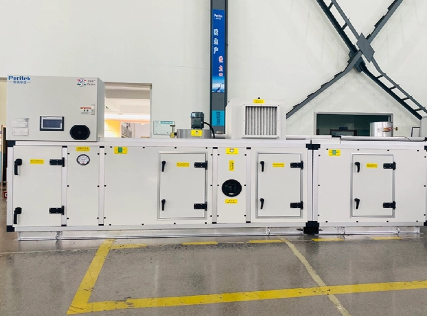
Maintaining consistently low humidity levels within an industrial facility is critical for protecting sensitive machinery and equipment. Desiccant dehumidifiers excel at extracting moisture from the air, thereby significantly reducing the risk of corrosion and rust formation on metal surfaces. Moisture-induced corrosion can cause premature wear, leading to frequent equipment breakdowns and costly repairs. By effectively controlling humidity, desiccant dehumidifiers extend the lifespan of machinery, minimizing unplanned downtime and lowering the overall maintenance budget. Over time, this translates into substantial savings, as less frequent repairs and replacements are needed, ensuring smoother and more reliable operations.
In many manufacturing processes, precise humidity control directly impacts product quality and consistency. For example, pharmaceutical manufacturing requires tightly controlled environments to preserve the chemical stability of active ingredients. Even slight fluctuations in moisture levels can compromise product efficacy and safety. Similarly, in food processing industries, excess moisture can lead to spoilage, microbial growth, and reduced shelf life. Desiccant dehumidifiers help maintain optimal humidity levels, preventing these issues and ensuring that products meet strict quality standards. Moreover, by reducing moisture-related defects, factories experience lower rates of product waste and rework, which improves overall yield and enhances profitability.
While desiccant dehumidifiers do consume energy to regenerate the desiccant material, they offer superior efficiency, particularly in cooler or variable temperature environments where traditional refrigerant dehumidifiers often struggle. Because desiccant systems operate effectively regardless of ambient conditions, they reduce the demand on HVAC and drying systems. This means less energy is spent on heating or cooling air to manage moisture, resulting in lower utility bills. Facilities that require continuous dry air supply—such as cold storage warehouses or cleanrooms—can benefit significantly from the energy savings associated with desiccant technology. These savings accumulate over time, leading to a meaningful reduction in operational costs.
Moisture-related equipment failures are a major cause of unplanned production stoppages. Condensation inside electrical panels, control rooms, or sensitive machinery can cause shorts, corrosion, or malfunctions, resulting in costly downtime. Desiccant dehumidifiers provide a stable and reliable method of humidity control, minimizing the risk of condensation even in challenging environments. This reliable moisture management helps factories maintain continuous production flow and avoid interruptions that lead to lost revenue, missed deadlines, and dissatisfied customers. The peace of mind offered by dependable dehumidification is invaluable for industries where uptime is critical.
In addition to operational benefits, maintaining appropriate humidity levels contributes to a healthier and safer workplace. High humidity can foster mold and mildew growth, which pose respiratory risks to employees and can contaminate products. Many industrial sectors are subject to regulatory requirements regarding indoor air quality and hygiene standards. Utilizing desiccant dehumidifiers helps companies meet these compliance mandates by reducing mold proliferation and maintaining cleaner air. This not only protects workers’ health but also reduces the risk of fines, legal liabilities, and damage to corporate reputation. By investing in effective humidity control, factories demonstrate a commitment to safety and regulatory adherence, fostering a responsible work environment.
Cold Storage Facilities: Preventing frost and condensation in refrigerated warehouses helps maintain product quality and reduces defrost cycles, saving energy and maintenance costs.
Pharmaceutical Plants: Critical for maintaining controlled environments to meet stringent humidity requirements and prevent contamination.
Electronics Manufacturing: Protects sensitive components from moisture damage during assembly and storage.
Food Processing: Controls moisture to prevent microbial growth and maintain product shelf life.
Chemical Manufacturing: Helps in processes sensitive to moisture levels, ensuring consistent product quality.
Textile and Paper Industries: Reduces moisture-related issues that cause product deformation or defects.
When selecting a desiccant dehumidifier for your facility, consider the following:
Capacity and Coverage: Choose a unit rated for the size and humidity load of your industrial space.
Energy Efficiency: Look for systems optimized to minimize regeneration energy.
Durability and Maintenance: Industrial units should be robust and easy to maintain with readily available parts.
Integration: The dehumidifier should integrate well with existing HVAC or process control systems.
Customization: Some applications require tailored solutions based on temperature, airflow, and humidity requirements.
Humidity control is a crucial but sometimes underestimated aspect of industrial operations that directly impacts costs, product quality, equipment longevity, and workplace safety. Desiccant dehumidifiers offer a reliable, efficient, and cost-effective solution to manage moisture challenges across a broad range of industries. By investing in high-quality desiccant dehumidification systems, factories can reduce operational costs through lower maintenance, improved energy efficiency, minimized downtime, and better product outcomes.
For those interested in exploring advanced desiccant dehumidification technologies and solutions tailored to industrial needs, Hangzhou Peritech Dehumidifying Equipment Co., Ltd. offers a comprehensive range of reliable equipment designed to meet demanding environments. To learn more about how their solutions can help optimize your facility’s moisture control and cut costs, consider reaching out to their expert team.


