
English
Views: 0 Author: Site Editor Publish Time: 2025-11-16 Origin: Site


Moisture is often an overlooked culprit that can silently wreak havoc on equipment, inventory, and overall operations in industrial and commercial environments. From corrosion and rust to mold growth and product spoilage, excess humidity leads to costly damage, maintenance, and operational disruptions. But controlling moisture doesn’t have to be complicated or expensive.
Factories, warehouses, and commercial facilities often deal with varying humidity levels. When these levels exceed ideal thresholds, several issues arise:
Equipment Damage: Moisture accelerates rust and corrosion on metal machinery and electrical components, leading to frequent repairs or early replacements.
Inventory Spoilage: Products like electronics, pharmaceuticals, textiles, and food are vulnerable to moisture-related deterioration, including mold growth, packaging damage, and reduced shelf life.
Health and Safety Risks: Mold spores and damp conditions can degrade indoor air quality, affecting employee health and productivity
Energy Inefficiency: Moist air strains HVAC and refrigeration systems, increasing energy consumption and operational costs.
Operational Downtime: Unplanned maintenance due to moisture damage can disrupt production schedules and delay order fulfillment.
These challenges emphasize the importance of proactive moisture control.
Standalone dehumidifiers are standalone units designed to remove moisture from the air without integration into existing HVAC systems. They operate using two primary technologies:
t (Compressor) Dehumidifiers: These units draw moist air over cold coils, condensing water vapor into liquid, which is collected in a tank or drained away. They are efficient in warm, humid environments but less effective at lower temperatures.
Desiccant Dehumidifiers: Using a moisture-absorbing material called a desiccant, these units can effectively reduce humidity even in cold or low-moisture conditions. They regenerate the desiccant continuously, releasing dry air back into the space.
Both types circulate dry air to maintain stable humidity levels, protecting equipment and inventory from moisture damage.
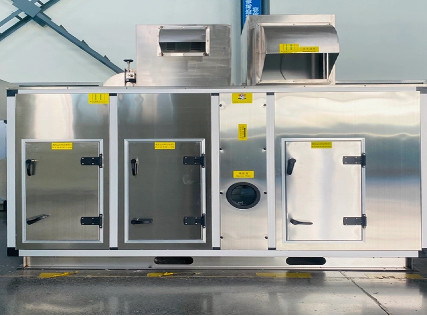
Investing in Standalone Dehumidifier helps businesses prevent costly damage before it happens. By maintaining optimal humidity levels, you reduce corrosion on machinery, extend the life of electronics, and preserve sensitive inventory. This preventive approach avoids expensive repairs, product loss, and operational delays.
Unlike built-in or ducted systems, freestanding units require no complex installation. Most models are plug-and-play, allowing immediate use. This quick setup minimizes downtime and eliminates the need for specialized technicians or construction work, saving both time and money.
Factories and warehouses are often in flux — production layouts change, inventory moves, and new equipment is added. Freestanding dehumidifiers can be easily relocated to wherever they are needed, offering targeted humidity control without permanent infrastructure changes. This adaptability is particularly valuable in multi-use or seasonal spaces.
Modern Standalone Dehumidifiers incorporate smart controls, variable-speed fans, and energy-saving compressors or regeneration cycles. These features optimize power use based on current humidity levels, balancing performance with operating costs. Many units also offer programmable humidistats for precision control.
Whether you need a small unit for a localized space or a heavy-duty industrial model for large warehouses,Standalone Dehumidifiers come in various sizes and capacities. This ensures you pay only for the moisture control your facility requires, avoiding unnecessary energy consumption and upfront expenses.
By reducing humidity, these units help create a more comfortable and safer workspace. Lower moisture levels reduce mold and mildew, improve air quality, and lessen slip hazards caused by condensation on floors and equipment.
Standalone Dehumidifiers suit a broad range of industrial and commercial applications, including:
Manufacturing Facilities: Protecting machinery and raw materials from rust and moisture damage.
Warehousing and Logistics: Safeguarding stored goods from dampness and mold, especially in seasonal or fluctuating inventory zones.
Pharmaceutical and Medical Storage: Maintaining strict environmental conditions critical for product stability and regulatory compliance.
Food Processing and Cold Storage: Preventing condensation and microbial growth to ensure product safety and freshness.
Electronics Assembly and Storage: Reducing static buildup and corrosion risk for sensitive components.
Choosing the appropriate dehumidifier depends on several factors:
Space Size and Moisture Load: Larger areas or high-moisture environments require higher-capacity units.
Operating Temperature: For warm spaces, refrigerant models are often sufficient. For cold or low-humidity areas, desiccant models provide better performance.
Drainage Needs: Decide if a built-in tank with manual emptying suffices or if continuous drainage via a hose is preferable.
Energy Use and Noise: Evaluate energy efficiency ratings and noise levels to ensure the unit fits your operational requirements.
Mobility Requirements: Consider units with caster wheels and manageable weight if frequent relocation is needed.
Working with suppliers who understand industrial needs can help customize solutions that optimize cost and effectiveness.
Businesses that adopt Standalone Dehumidifiers in their moisture control strategies often see measurable operational and financial improvements across various aspects of their operations. These benefits aren’t just theoretical — they translate into real savings, enhanced performance, and stronger long-term resilience.
Excess moisture is one of the leading causes of equipment degradation in industrial settings. Rust on metal components, corrosion of electrical panels, and moisture-related circuit failures can all bring operations to a halt. With freestanding dehumidifiers in place, factories have reported a noticeable drop in unplanned maintenance and repair schedules. For instance, in metalworking facilities, keeping humidity under control helps preserve the precision and functionality of CNC machines and stamping tools — extending their lifespan and reducing servicing needs. Over time, these savings on repair labor, replacement parts, and production interruptions add up significantly.
In sectors like food processing, pharmaceuticals, and electronics, even minor fluctuations in humidity can compromise product quality. Moisture intrusion can lead to warping, spoilage, clumping, microbial growth, or chemical instability, depending on the material. Businesses using freestanding dehumidifiers report lower incidence of defective products, fewer returns, and improved compliance with quality standards. For example, a logistics company storing hygroscopic goods such as powdered chemicals or packaged snacks can ensure consistent product condition across varying storage zones by strategically deploying portable dehumidifiers.
Running central HVAC systems purely for humidity management often results in overuse and inefficiencies. Freestanding dehumidifiers allow facilities to target specific high-humidity areas rather than conditioning the entire building. This zoning approach leads to significant energy savings. Newer models with smart sensors and variable-speed fans only operate when necessary, optimizing energy usage based on real-time humidity readings. Over a fiscal year, this reduction in electricity consumption can yield thousands of dollars in savings for large-scale facilities.
High humidity doesn't just affect machines — it also affects people. In humid environments, employees often experience discomfort, fatigue, and difficulty concentrating. This can lead to slower work, mistakes, and even health issues related to poor indoor air quality, such as respiratory irritation. Additionally, surfaces may become slippery, increasing the risk of accidents. By maintaining dry and comfortable air, freestanding dehumidifiers help create a safer, more productive workplace. Some companies even report improved employee satisfaction and lower absenteeism after implementing localized humidity control.
If you are looking for high-quality Standalone Dehumidifiers designed for industrial and commercial applications, Yangzhou Peritech Dehumidifying Equipment Co., Ltd. is a trusted name in the field. With extensive experience and a broad product range covering both refrigerant and desiccant technologies, Peritech offers solutions that meet diverse moisture control challenges.
Their team provides professional guidance to help you select the right equipment without unnecessary upselling, ensuring you get the best balance of performance and value.
For more information on how freestanding dehumidifiers can protect your equipment and inventory while saving money, consider reaching out to Yangzhou Peritech. Their expertise could be the key to transforming your factory environment with efficient moisture management.


