
English
Views: 0 Author: Site Editor Publish Time: 2025-12-11 Origin: Site


Humidity is one of those invisible factors that can quietly undermine the efficiency, safety, and quality standards of any factory environment. Excess moisture in the air can lead to corrosion of machinery, growth of mold and mildew, damage to raw materials, and even create uncomfortable working conditions for employees. Managing humidity effectively is essential, but many factories struggle to find a practical, cost-effective solution.
This is where freestanding standalone dehumidifiers come into the picture. These versatile, plug-and-play devices offer a transformative solution for controlling indoor moisture levels without the need for complicated installations or extensive infrastructure.
Factories often have diverse and fluctuating humidity conditions. Whether it’s a cold storage area, a production line handling moisture-sensitive materials, or a warehouse storing products vulnerable to dampness, managing humidity can be a daily challenge.
High humidity levels lead to several issues:
Equipment corrosion: Metal parts can rust faster in moist environments, leading to costly repairs and downtime.
Product degradation: Moisture can cause warping, mold growth, or spoilage of raw materials and finished goods.
Workplace discomfort and safety: High humidity contributes to heat stress and creates slippery surfaces, raising the risk of accidents.
Energy inefficiency: Moist air can force HVAC systems to work harder, increasing energy consumption.
Traditional centralized HVAC systems or built-in dehumidifiers can be expensive to install and difficult to adjust as factory layouts or production needs change. Moreover, these systems may not be effective in all temperature ranges or localized areas where moisture control is most needed.
Freestanding, or standalone, dehumidifiers are portable units designed to remove moisture from the air independently, without integration into an existing HVAC system. Unlike ducted or built-in options, these units require minimal setup—typically just plugging in and setting the desired humidity level.
They operate by drawing in moist air, cooling it to condense the moisture (in refrigerant models), or using a desiccant material to absorb water vapor (in desiccant models), then releasing dry air back into the environment. The collected water is either stored in an internal tank or drained away via a hose.
Freestanding units offer localized dehumidification, which means you can deploy them exactly where humidity problems arise. For example, a drying room, packaging area, or raw material storage space can each be equipped with units sized for their specific needs.
This flexibility ensures that sensitive processes and materials receive precise environmental control without the expense or complexity of conditioning the entire facility.
2. Portability Supports Dynamic Operations
Factories are dynamic environments that constantly evolve to meet changing production demands. Production lines are frequently reconfigured to accommodate new products or improved workflows, new equipment and machinery may be installed, and temporary projects or maintenance work can create unique humidity challenges in different parts of the facility. Freestanding dehumidifiers offer the crucial advantage of portability, allowing them to be easily relocated to wherever they are needed most. This flexibility means that you don’t have to invest in multiple fixed systems or undergo costly re-installations when your factory layout changes.
This mobility is especially invaluable in industries such as pharmaceuticals, food processing, electronics manufacturing, and warehousing. These sectors often require strict humidity control to ensure product quality and safety, but their spatial and environmental requirements can shift frequently. For example, a pharmaceutical cleanroom may need extra moisture control during specific batch processes, or a warehouse might need dehumidification only in certain storage zones depending on seasonal inventory. Portable freestanding units can be quickly redeployed to address these changing needs, providing consistent humidity management without interrupting production or incurring large capital expenditures.
No ducts, no construction, no downtime. Standalone Dehumidifiers typically come ready to use, requiring only access to power and, if preferred, a drainage outlet.
This simplicity means factories can respond swiftly to moisture problems, reducing risks of damage or production delays. Additionally, maintenance routines for standalone units tend to be straightforward, often involving filter cleaning and occasional tank emptying.
Modern Standalone Dehumidifiers feature energy-saving technologies such as variable speed fans, smart sensors, and efficient compressors or desiccant systems. By controlling humidity only where and when needed, factories can reduce overall energy consumption compared to running full-scale HVAC dehumidification continuously.
This translates to significant cost savings in electricity bills and maintenance while protecting valuable assets.
Excess humidity can lead to sticky, uncomfortable conditions that lower worker productivity and morale. By creating a more comfortable atmosphere,Standalone Dehumidifiers help maintain a healthier, safer workplace.
They also reduce slip hazards caused by condensation, supporting compliance with occupational health and safety regulations.
Refrigerant dehumidifiers are ideal for warm environments, while desiccant dehumidifiers maintain high performance even at lower temperatures, such as in cold storage or winter months.
This adaptability ensures factories can maintain humidity control year-round without sacrificing effectiveness.
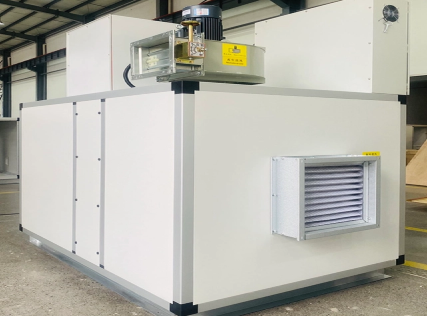
Selecting the proper unit requires understanding your factory’s specific needs. Here are some factors to consider:
Space Size and Humidity Levels: Larger areas or higher moisture loads require units with greater capacity.
Temperature Conditions: Refrigerant models for warmer areas; desiccant models for cooler or low-humidity spaces.
Drainage Options: Decide between manual tank emptying or continuous drainage.
Energy Efficiency: Look for models with energy-saving features to minimize operational costs.
Noise Level: For noise-sensitive areas, quieter models or sound-dampening enclosures may be needed.
Consulting with experts or suppliers familiar with industrial dehumidification can help tailor solutions that fit both technical requirements and budget constraints.
Many factories have reported measurable improvements after integrating freestanding dehumidifiers:
A pharmaceutical manufacturer improved product stability by maintaining strict humidity levels in their packaging room, reducing waste and batch rejections.
A food processing plant decreased mold and spoilage rates in storage by strategically placing portable dehumidifiers near refrigeration units.
An electronics factory reduced corrosion-related equipment failures, leading to less downtime and maintenance costs.
A warehousing company used mobile units to protect sensitive goods during seasonal inventory changes without costly permanent installations.
Standalone Dehumidifiers represent a smart, flexible, and cost-effective solution for factories facing moisture-related challenges. Their ease of deployment, targeted control, and energy efficiency make them an essential tool for protecting machinery, materials, and workers.
If your factory struggles with high humidity or you’re seeking a scalable way to improve environmental control, exploring freestanding dehumidifiers is a great first step.
For factories looking to enhance moisture control with reliable, high-performance freestanding dehumidifiers, partnering with knowledgeable manufacturers is key. Yangzhou Peritech Dehumidifying Equipment Co., Ltd. offers a wide range of standalone and desiccant dehumidifiers designed to meet the rigorous demands of industrial environments.
Their expertise and tailored solutions can help you select the right equipment for your specific needs, ensuring optimal performance and long-term value.
To discover more about how freestanding dehumidifiers can transform your factory environment, or to request professional advice, consider reaching out to Yangzhou Peritech. Their team can provide detailed product information, technical support, and customized recommendations without any pressure or sales-heavy pitches.


