
English
Views: 0 Author: Site Editor Publish Time: 2025-11-18 Origin: Site


Mold is one of the most persistent and damaging problems that homeowners and businesses face. It thrives in damp, humid environments and can lead to health issues, structural damage, and costly remediation. Controlling indoor humidity is key to preventing mold growth, and among the most effective tools for this task is the standalone dehumidifier. This guide explores why standalone dehumidifiers are the secret weapon against mold, how they work, their benefits, and how to choose the right one for your needs.
Mold spores are everywhere in the environment, but they require moisture to grow and spread. When indoor humidity rises above 60%, conditions become ideal for mold colonization on walls, ceilings, carpets, and even HVAC systems. Mold not only causes unpleasant odors and unsightly stains but also can trigger allergies, respiratory problems, and other health complications.
Traditional cleaning methods and ventilation alone are often insufficient to control mold because they don’t address the root cause: excess moisture in the air. This is where standalone dehumidifiers become crucial.
A standalone dehumidifier is an independent, portable appliance designed to reduce and maintain optimal humidity levels within indoor spaces. Unlike integrated systems connected to HVAC units, standalone dehumidifiers can be placed wherever moisture control is needed most, offering flexibility and targeted performance.
These devices work by drawing in humid air, cooling it to condense moisture, collecting the water in a tank or draining it away, and then releasing drier air back into the room. This cycle continues until the desired humidity level is achieved, typically between 40-50%, which is ideal for preventing mold growth.
The most common type of standalone dehumidifier is the refrigeration or compressor-based model. It pulls warm, moist air over cold evaporator coils where the moisture condenses into water droplets. This water collects in a reservoir or is drained away via a hose. The air is then reheated slightly by the condenser coils before being released back into the room.
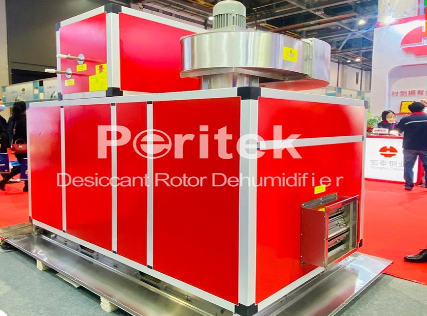
There are also desiccant standalone dehumidifiers that use moisture-absorbing materials like silica gel or molecular sieves. These are particularly effective in cooler environments but tend to be more expensive and used in specialized situations.
Standalone dehumidifiers are equipped with built-in hygrometers (humidity sensors) that monitor indoor moisture levels continuously. Many models allow you to set a target humidity level, automatically adjusting operation to maintain it. This precise control ensures that your environment never reaches the high humidity thresholds where mold can flourish.
Maintaining indoor relative humidity around 40-50% not only inhibits mold growth but also creates a comfortable living or working environment. When humidity exceeds this range, condensation can form on cold surfaces, providing perfect breeding grounds for mold colonies.
Because they are not tied to permanent HVAC installations, standalone dehumidifiers can be moved to problem areas as needed. Whether it’s a basement prone to dampness, a laundry room, or a recently flooded area, these devices provide targeted moisture control exactly where it’s required.
This flexibility means you don’t need to invest in whole-house systems when moisture issues are localized. Temporary use in renovation sites or after water leaks can also prevent long-term damage.
Standalone dehumidifiers come in a wide range of sizes and capacities, suitable for small rooms, large basements, offices, or even entire buildings. This scalability makes them ideal for both residential and commercial use in controlling mold risk.
For example, smaller units may be perfect for bedrooms and bathrooms, while industrial-sized standalone dehumidifiers can serve warehouses, factories, or museums. Many models also feature adjustable fan speeds and air filters that improve indoor air quality by reducing dust and allergens alongside moisture.
Modern standalone dehumidifiers are designed to operate efficiently, with features like auto shutoff, programmable timers, and energy-saving modes. Maintaining lower humidity with a standalone unit often costs less than running whole-home ventilation or HVAC-based dehumidification systems continuously.
Energy Star–certified models consume less electricity while providing consistent dehumidification. Additionally, many units incorporate smart sensors and controls that optimize operation only when necessary, minimizing wasteful energy use.
Unlike whole-house systems that require professional installation, standalone dehumidifiers are typically plug-and-play. Maintenance is straightforward, usually involving periodic emptying of the water collection tank or ensuring the drainage system is clear, and cleaning air filters.
This simplicity encourages regular use and upkeep, which is essential for preventing mold. Many units include indicators to alert users when tanks are full or filters need cleaning.
While the primary advantage is mold control, standalone dehumidifiers also improve overall indoor air quality by reducing dust mites, allergens, and musty odors. Lower humidity levels help protect wooden furniture, musical instruments, electronics, and building materials from moisture damage.
In workplaces, controlling humidity contributes to a healthier environment, potentially reducing sick days and improving productivity. For allergy sufferers and asthma patients, a dehumidified environment can significantly improve comfort and reduce symptoms.
Moreover, preventing moisture accumulation extends the lifespan of structural elements like drywall, plaster, and paint, saving money on repairs over time.
To maximize mold prevention, selecting a suitable dehumidifier is crucial. Consider the following:
Capacity: Dehumidifiers are rated by the amount of moisture they can remove per day (pints or liters). Choose a unit that matches the size and humidity load of your space. Oversizing wastes energy, while undersizing reduces effectiveness.
Humidity Control: Look for models with adjustable humidity settings and reliable sensors for accurate control. Digital displays and programmable settings improve user convenience.
Drainage Options: Some models offer continuous drainage via a hose, which is convenient for high-moisture areas or when frequent emptying is inconvenient.
Noise Levels: If placing the unit in living or working spaces, consider quieter models for comfort.
Additional Features: Auto-restart after power loss, washable filters, portability, and air purification features enhance usability.
Regularly empty and clean the water collection tank to prevent bacterial growth and odors.
Clean or replace air filters as recommended by the manufacturer to maintain airflow and efficiency.
Keep the unit’s air intake and exhaust clear of obstructions to optimize performance.
Ensure proper drainage setup if using a hose for continuous removal.
Store the unit properly during off-seasons to prolong its life.
Mold is a challenging problem that can cause significant health and property damage if left unchecked. Standalone dehumidifiers offer a powerful, flexible, and efficient solution to keep indoor humidity at safe levels and prevent mold growth before it starts. By choosing the right unit and maintaining it properly, you can protect your home or business from the costly effects of moisture and mold.
For those seeking professional-grade standalone dehumidifiers and expert advice on humidity control solutions, Hangzhou Peritech Dehumidifying Equipment Co., Ltd. provides a comprehensive range of reliable products and customized support to meet diverse needs. To explore their offerings and learn how they can help improve your indoor air quality, consider visiting their website or contacting their team for detailed information.


