
English
Views: 0 Author: Site Editor Publish Time: 2025-11-20 Origin: Site


Controlling humidity is essential for both residential comfort and industrial efficiency. Whether you're trying to prevent mold in your basement or protect sensitive materials in a factory, moisture can be a hidden enemy. That's where standalone dehumidifiers come in. But what exactly is a standalone dehumidifier, and how does it differ from other humidity control solutions?
A standalone dehumidifier is a self-contained unit designed to remove excess moisture from the air without needing integration into a central HVAC system. These devices can be portable or fixed, and they come in a range of capacities suitable for small rooms, large homes, warehouses, and industrial spaces.
Unlike built-in or ducted systems, standalone units operate independently. They typically include:
A fan to draw in moist air
A moisture removal mechanism (refrigerant or desiccant-based)
A tank or drainage outlet for collected water
A control system for humidity levels
This autonomy makes them highly versatile, easy to install, and adaptable to a variety of environments.
There are two primary types of standalone dehumidifiers:
These dehumidifiers cool incoming air to condense the moisture, which then drips into a tank or is drained away. They're most effective in warm, humid climates and are widely used in homes and offices.
Desiccant dehumidifiers use moisture-absorbing materials (like silica gel) to pull water vapor from the air. They are especially effective in cooler conditions where refrigerant types lose efficiency—making them ideal for industrial environments, cold storage, or unheated basements.
Since standalone units operate independently, there's no need for ductwork or structural modifications. You simply place the unit in the target area, plug it in, and set your desired humidity level.
Many models come with wheels and handles, allowing them to be moved easily from one space to another. This is particularly useful in homes, warehouses, or multi-zone facilities.
Standalone dehumidifiers allow you to focus on problem areas rather than dehumidifying an entire building. For example, a single unit can be used in a damp storage room or near moisture-sensitive equipment.
By maintaining optimal humidity levels (typically 40–60%), these units help reduce the growth of mold, mildew, and dust mites—improving air quality for residents, workers, or equipment.
Because they don't rely on centralized systems, standalone dehumidifiers offer a more affordable upfront solution, especially for spot treatment or temporary needs.
In the home, excess humidity can lead to mold, musty odors, warped furniture, and even respiratory issues. Standalone dehumidifiers are often used in:
Basements
Laundry rooms
Bathrooms
Closets and storage areas
By removing moisture at the source, these units can help protect both health and property value.
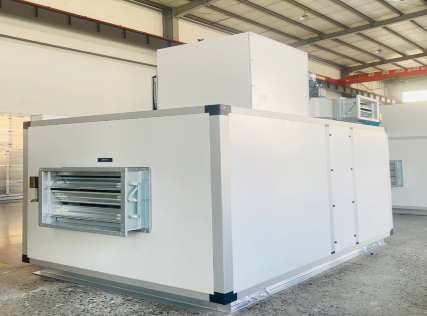
Standalone dehumidifiers aren’t just confined to residential basements or laundry rooms—they are critical tools in modern industrial and commercial operations. Especially in sectors where moisture poses a direct threat to product quality, equipment longevity, or regulatory compliance, standalone units (particularly high-capacity or desiccant-based models) play an essential role in maintaining environmental stability.
These units are often chosen for their flexibility, ease of deployment, and consistent performance, offering humidity control without requiring integration into a facility's centralized HVAC system. Let’s explore some of the key industrial use cases:
Moisture is a constant challenge in storage environments, particularly in cold storage or refrigerated warehouses, where temperature fluctuations frequently cause condensation. This moisture can lead to mold growth, rust on shelving and packaged goods, and label deterioration—all of which reduce the market value of stored products.
Standalone dehumidifiers provide a cost-effective and energy-efficient way to regulate humidity levels and ensure goods remain dry and uncontaminated throughout storage and transit.
In pharmaceutical production, environmental control is tightly regulated under GMP (Good Manufacturing Practice) standards. Even minor deviations in humidity can affect the stability of active ingredients, impact the performance of tablet coatings, or compromise sterile environments.
High-performance standalone dehumidifiers, especially desiccant models, are deployed in cleanrooms, tablet pressing areas, and packaging lines to ensure precise humidity control—often with automated monitoring and alarms for consistent GMP compliance.
Humidity is a silent killer in electronics manufacturing. Moisture can cause oxidation on circuit boards, short circuits, or electrostatic discharge, which compromises the functionality and reliability of electronic components.
Standalone dehumidifiers are ideal for ESD-sensitive areas, assembly lines, and component storage rooms. Their ability to maintain low dew point conditions, even at lower temperatures, ensures long-term protection of valuable components during and after assembly.
Moisture in food production environments can lead to mold, bacterial growth, and product spoilage, especially in operations involving dry ingredients or hygiene-critical processes such as meat, dairy, or bakery production.
Standalone dehumidifiers help control condensation on surfaces, reduce microbial risks, and extend shelf life by maintaining dry and sanitary conditions. They are often used in packaging areas, drying rooms, or raw material storage zones.
Humidity can significantly impact the dimensional stability of paper, causing warping, curling, and even ink bleeding or smudging during printing. This is particularly problematic in high-speed or precision printing environments where tight tolerances are required.
Standalone dehumidifiers help preserve paper quality in storage, protect machinery from corrosion, and maintain consistent printing performance by keeping the air moisture within ideal parameters.
In all of these industrial applications, standalone dehumidifiers offer more than just moisture removal—they provide operational resilience. Their ability to run 24/7, often with minimal maintenance and no ducting required, makes them highly valuable for factories, plants, and warehouses looking for scalable and dependable humidity solutions.
Moreover, advanced models can be integrated with existing control systems, equipped with data logging, remote monitoring, and automated alerts to support modern smart-factory initiatives. Whether you're mitigating mold risks, preventing product failure, or maintaining compliance, standalone dehumidifiers are a strategic investment in both quality and efficiency.
If you're planning to invest in a standalone unit, consider the following factors:
Capacity (pints or liters per day): Choose a unit sized appropriately for the square footage and humidity level of the space.
Operating Temperature: Refrigerant units are less effective at lower temperatures; for cold areas, a desiccant model is recommended.
Drainage Options: Continuous drainage is preferred in industrial settings to avoid frequent tank emptying.
Controls and Monitoring: Digital displays, humidistats, and remote access can enhance usability.
Energy Efficiency: Look for energy-efficient certifications or variable speed controls to minimize operational costs.
Noise Levels: Especially important in residential or office applications.
Like any equipment, standalone dehumidifiers require routine maintenance to function effectively:
Clean filters regularly to ensure airflow and hygiene
Check and empty the water tank (unless continuous drainage is used)
Inspect for signs of wear, corrosion, or blocked air vents
Service the unit periodically, especially in industrial environments
Proper maintenance extends the life of the device and ensures consistent performance.
Standalone dehumidifiers provide a convenient, flexible, and cost-effective solution for controlling humidity in both residential and industrial environments. Whether you need to protect stored goods, maintain a healthy indoor climate, or ensure strict environmental conditions for production, these units offer tangible benefits without the complexity of integrated systems.
If you're exploring humidity control solutions for your home or facility, it's important to work with experienced providers who understand the specific needs of your environment. Hangzhou Peritech Dehumidifying Equipment Co., Ltd. is a reliable resource for a wide range of moisture control technologies, including advanced standalone and industrial-grade desiccant dehumidifiers. Their team can help you identify the right solution tailored to your space and operational goals.
To learn more or discuss your requirements, consider reaching out to them directly. A well-chosen dehumidifier isn't just an appliance—it's a strategic investment in your environment’s safety, efficiency, and longevity.


