
English
Views: 0 Author: Site Editor Publish Time: 2025-12-17 Origin: Site


When it comes to managing moisture and controlling humidity in various environments, standalone dehumidifiers have become increasingly popular due to their unique combination of versatility, ease of use, and adaptability. Unlike built-in or centralized HVAC dehumidification systems that often require extensive installation and integration, standalone units offer immediate and flexible solutions, making them an excellent choice for a wide range of applications — from industrial to residential settings.
One of the biggest selling points of standalone dehumidifiers is their portability. These units are designed to be easily moved from one room or site to another, adapting effortlessly to changing operational demands. This flexibility is critical in industries such as pharmaceuticals, food processing, warehousing, and logistics, where environmental conditions may fluctuate or where temporary moisture control is needed in different locations.
For example, in a warehouse storing seasonal inventory, humidity control needs can shift depending on the products stored and the time of year. With a standalone dehumidifier, a single unit can be relocated to protect sensitive goods in different storage zones without the need for permanent infrastructure changes.
Standalone dehumidifiers provide plug-and-play convenience, meaning they require minimal setup and can be up and running quickly. Unlike complex systems that might need ductwork, integration with HVAC controls, or specialized installation, standalone units typically just require plugging into a power source and filling or attaching a drainage option.
This simplicity means reduced downtime and lower upfront costs, making standalone dehumidifiers ideal for businesses that need to quickly resolve humidity problems or for temporary projects such as construction drying phases or renovation sites.
Modern standalone dehumidifiers are equipped with advanced sensors and digital humidistats that allow precise humidity control. Maintaining specific relative humidity (RH) levels is crucial in many environments to preserve product quality, prevent mold growth, and ensure comfort.
In pharmaceutical manufacturing cleanrooms, for instance, humidity levels must be tightly regulated to prevent moisture from degrading sensitive drugs. Similarly, in food processing, controlling humidity can prevent condensation that leads to microbial growth, ensuring safety and freshness.
Standalone units enable operators to set and maintain exact humidity parameters, often with programmable controls and remote monitoring capabilities, supporting consistent environmental conditions without constant manual adjustment.
Energy efficiency is a key consideration for any climate control equipment, and standalone dehumidifiers have seen significant advances in this area. Many models now incorporate:
Variable speed fans: Adjust fan speed based on demand, reducing energy consumption during low-load periods
Smart controls and sensors: Optimize operation cycles by detecting real-time humidity changes.
Advanced refrigerant technology: Improves moisture removal efficiency.
Efficient regeneration cycles in desiccant dehumidifiers: Minimize energy use when drying the desiccant material for reuse.
These innovations help balance high performance with lower operational costs, making standalone units both effective and economical over long-term use.
Standalone dehumidifiers are available in a broad spectrum of sizes and capacities, ranging from small units suitable for single rooms or basements to large industrial machines capable of handling thousands of cubic meters per hour of airflow.
This scalability means users can select the right unit for their specific application without needing to invest in costly centralized systems. Whether controlling humidity in a residential basement or a pharmaceutical cleanroom, there is a standalone model designed to deliver optimal results.
Certain environments present challenges for conventional refrigeration-based dehumidifiers, especially low-temperature or low-moisture conditions. In such scenarios, standalone desiccant dehumidifiers shine.
Desiccant dehumidifiers use a moisture-absorbing material that remains effective even at temperatures below the dew point, unlike refrigerant-based systems that struggle with freezing coils or reduced moisture removal. This makes standalone desiccant units particularly valuable in cold storage facilities, winter construction sites, or other harsh environments where reliable humidity control is still critical.
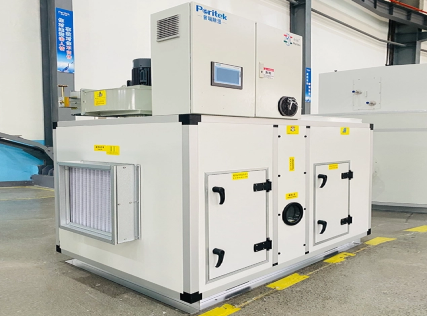
Standalone dehumidifiers are remarkably versatile and find important uses across various sectors:
Pharmaceutical Cleanrooms
Controlling humidity precisely is a regulatory and quality imperative. Standalone dehumidifiers help maintain low RH levels to avoid moisture-induced chemical degradation and microbial contamination without costly HVAC overhaul.
Food Processing and Storage
Humidity control prevents mold growth and spoilage by reducing condensation in processing rooms and cold storage. Portable standalone units allow businesses to adjust conditions as needed to match production cycles or storage requirements.
Warehousing and Logistics
Large warehouses often store diverse goods requiring different humidity conditions. Standalone dehumidifiers can be moved to protect moisture-sensitive inventory, ensuring cost-effective, targeted humidity management.
Manufacturing Facilities
Processes such as electronics assembly or powder coating demand controlled environments to avoid defects caused by excess moisture.
Basements and Crawlspaces
These areas are prone to dampness and mold growth, which can damage property and cause health issues. Standalone dehumidifiers effectively remove excess moisture, protecting structural integrity and indoor air quality.
Renovation and Construction Sites
Temporary humidity control is essential during drying phases of paint, plaster, or concrete. Portable standalone units provide immediate relief from excess moisture to speed project completion.
Home Comfort and Health
Many homeowners use standalone dehumidifiers to improve indoor air quality by reducing allergens like dust mites and mold spores, while also protecting furniture and electronics from moisture damage.
Selecting the best standalone dehumidifier involves considering several factors to ensure optimal performance and cost-efficiency:
Accurate assessment of the area’s size and typical moisture load is critical. Over-sizing wastes energy, while under-sizing leads to inadequate dehumidification. Many manufacturers provide sizing guides or consultation services to help choose appropriate capacity.
In warm environments, refrigeration-based standalone dehumidifiers are generally most efficient. In colder or low-moisture settings, desiccant models offer better performance.
Standalone units often come with a water collection tank and an option for continuous drainage via hose. For permanent installations or high-moisture conditions, continuous drain capability reduces manual emptying.
Look for units with energy-saving features and certifications. Efficient operation lowers electricity costs, especially important in industrial or continuous-use scenarios.
Consider the noise tolerance of the environment. Some standalone dehumidifiers are designed with quieter operation for office or residential use.
Features like programmable timers, remote controls, auto-restart after power outages, and washable filters can enhance convenience and reduce maintenance.
Standalone dehumidifiers elegantly blend technical sophistication with user-friendly operation, making them indispensable tools for moisture control across a broad spectrum of environments. Their portability, ease of deployment, precision control, and energy efficiency make them an ideal choice whether you’re managing delicate pharmaceutical processes, preserving food quality, protecting stored inventory, or enhancing residential comfort.
If you are considering investing in high-quality standalone dehumidification equipment, partnering with a reputable manufacturer that understands the nuanced requirements of different applications is essential. Yangzhou Peritech Dehumidifying Equipment Co., Ltd. is well-regarded for its expertise in designing and producing advanced standalone and desiccant dehumidifiers tailored to meet demanding industrial and commercial needs.
To explore standalone dehumidifier options suited to your specific humidity control challenges or to receive professional consultation, consider reaching out to Peritech. Their commitment to innovation and quality can help you achieve efficient, reliable moisture management and safeguard your environment and assets.


