
English
Views: 0 Author: Site Editor Publish Time: 2025-12-03 Origin: Site


In modern warehousing, where supply chains are increasingly dynamic and inventory zones shift frequently, moisture control remains one of the most underappreciated challenges. Whether storing electronics, textiles, pharmaceuticals, or food products, unmanaged humidity can quietly wreak havoc—causing corrosion, mold, mildew, packaging degradation, and even equipment malfunction.
Traditional centralized humidity control systems often fall short in flexible warehouse environments. That’s where mobile dehumidifiers step in—offering an agile, cost-effective, and highly targeted solution. As a type of standalone dehumidifier, mobile units bring precision climate control to wherever it’s needed most.
Humidity may seem benign, but it can seriously compromise storage conditions and operational efficiency. High moisture levels promote:
Corrosion of metal parts and shelving
Mold growth on packaging and products
Degradation of labels, adhesives, and cartons
Poor working conditions and employee discomfort
Increased rejection rates due to quality loss
In sectors like pharmaceuticals and food logistics, non-compliance with humidity control standards can also result in regulatory penalties or lost certifications.
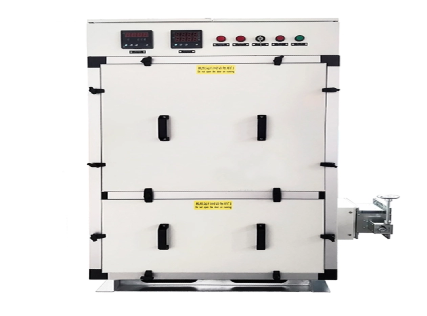
Many warehouses rely on HVAC systems or built-in dehumidifiers for environmental control. While these may suffice for static environments, they fall short when:
Storage zones are frequently reconfigured
Temporary storage tents or containers are used
Specific products require stricter moisture thresholds
Energy costs of whole-facility climate control become unsustainable
In large or segmented facilities, over-reliance on centralized systems often means over-conditioning unused areas—driving up energy bills and lowering ROI.
Mobile dehumidifiers are self-contained, transportable units designed to control humidity in localized areas. Typically mounted on wheels and featuring integrated controls, these units can be moved to follow product flows or respond to seasonal changes in ambient conditions.
They offer the ability to:
Isolate humidity control to active inventory zones
Treat pop-up storage areas or temporary installations
React quickly to flooding, leaks, or seasonal humidity spikes
Avoid expensive upgrades to entire HVAC systems
Whether used in tandem with permanent systems or alone in targeted applications, mobile dehumidifiers give facility managers a flexible tool to respond to real-time conditions.
While all standalone dehumidifiers operate independently from HVAC systems, not all are mobile. Some standalone units are designed to remain fixed in a corner or mechanical room. What distinguishes mobile models is their mobility and versatility.
Feature | Mobile Dehumidifier | Fixed Standalone Unit |
Portability | High (wheels, handles) | Low |
Installation effort | Minimal | Moderate |
Deployment flexibility | Excellent | Limited |
Ideal for dynamic storage | Yes | Not always |
Upfront cost | Lower to moderate | Moderate |
In a warehouse where inventory zones change with demand or seasonality, mobile dehumidifiers outshine their stationary counterparts.
Seasonal fluctuations in stock levels often require shifting racking systems or re-zoning of space. Mobile dehumidifiers can be relocated accordingly—ensuring sensitive goods are protected regardless of layout changes.
Moisture-sensitive goods that move through transit areas or cross-docks are particularly vulnerable. Mobile units can be stationed near docks, loading bays, or packing zones to protect goods during high-humidity events or rainy seasons.
In temperature-controlled zones, condensation becomes a major issue. Dehumidifiers help minimize water accumulation, ice buildup, and mold—all of which can compromise both hygiene and safety.
Warehouses frequently expand using leased tents, containers, or off-site storage. Mobile units can be dispatched to these environments without any permanent infrastructure or electrical modification.
In the case of flooding, leaks, or accidental water ingress, mobile dehumidifiers are the fastest way to prevent long-term damage and resume normal operations.
When selecting a mobile dehumidifier, consider the following:
Capacity (liters/day): Based on the room size and expected humidity load.
Airflow rate (CFM): Higher airflow allows faster moisture removal.
Operating temperature range: Especially important in cold storage or unheated zones.
Drainage method: Continuous drainage via hose is preferable in long-term use.
Build quality: Durable wheels, handles, and corrosion-resistant casings are a must for warehouse environments.
Noise level: Important for dehumidifiers used in employee-heavy areas.
Look for models with built-in humidistats, automatic defrost, and digital controls for ease of use and energy efficiency.
While active desiccant systems do require energy for regeneration—typically in the form of heat—they can offer long-term cost advantages that outweigh the initial energy demands. This is especially true in environments where maintaining strict humidity control is essential for protecting high-value equipment, sensitive products, or maintaining process integrity.
Some of the key long-term benefits include:
Reduced Downtime: By preventing moisture-related failures such as corrosion, electrical short circuits, or equipment degradation, desiccant dehumidifiers help ensure smooth, uninterrupted operations. This translates directly into productivity gains and reduced maintenance costs.
Improved Product Quality and Extended Shelf Life: Many industries—such as pharmaceuticals, food processing, electronics, and aerospace—require tightly controlled humidity levels to preserve the physical and chemical integrity of their products. Desiccant systems offer precise moisture control even in low-temperature environments where other technologies fail, resulting in fewer product losses and less waste.
Lower HVAC Load: By removing excess moisture from the air, desiccant dehumidifiers reduce the latent load on HVAC systems. This means your air conditioning systems no longer have to work as hard to dehumidify, leading to overall energy savings and potentially smaller HVAC sizing in the design stage.
In recent years, new-generation desiccant systems have made significant strides in improving energy efficiency. Some models incorporate waste heat recovery, using heat generated from other industrial processes or equipment to regenerate the desiccant material. Others leverage solar-assisted regeneration or modular heat pump integration, reducing dependence on traditional energy sources and contributing to sustainability goals.
Additionally, advanced control systems and sensors now allow operators to fine-tune performance based on real-time humidity levels, minimizing unnecessary energy consumption while maintaining precise environmental conditions. For facilities operating in climates with wide seasonal temperature shifts—or those requiring year-round moisture control—these technologies provide a strategic balance between operational performance and energy efficiency.
Many warehouse operators have reported success after integrating mobile dehumidifiers into their facility management practices. For example:
A textile warehouse in southern China reduced mold-related returns by over 60% after deploying three mobile units in their loading and repacking zones.
A global logistics provider used mobile dehumidifiers to maintain ideal conditions in a temporary overflow tent—preventing moisture damage during the monsoon season.
A food distribution center found that using mobile units near refrigeration exits reduced condensation and eliminated slip hazards, improving workplace safety
In an era of agile warehousing, where every square meter is repurposed on demand, mobile dehumidifiers are emerging as an indispensable solution. More than just a convenience, they represent a strategic investment in inventory quality, operational resilience, and cost control.
Unlike fixed systems that demand heavy capital expenditure and lengthy installation, mobile dehumidifiers can be quickly deployed, adjusted, and redeployed—adapting to your warehouse’s evolving needs with minimal disruption.
If you’re exploring moisture control solutions for your facility, it may be worth looking into specialized providers with industrial experience. Hangzhou Peritech Dehumidifying Equipment Co., Ltd. offers a range of mobile and standalone dehumidifiers engineered for tough environments like yours. With an understanding of industrial challenges and the technical expertise to solve them, they can help you identify the most effective setup for your operation.
To learn more about their solutions or speak to a representative, consider visiting their official website or contacting their technical team for tailored advice.


